
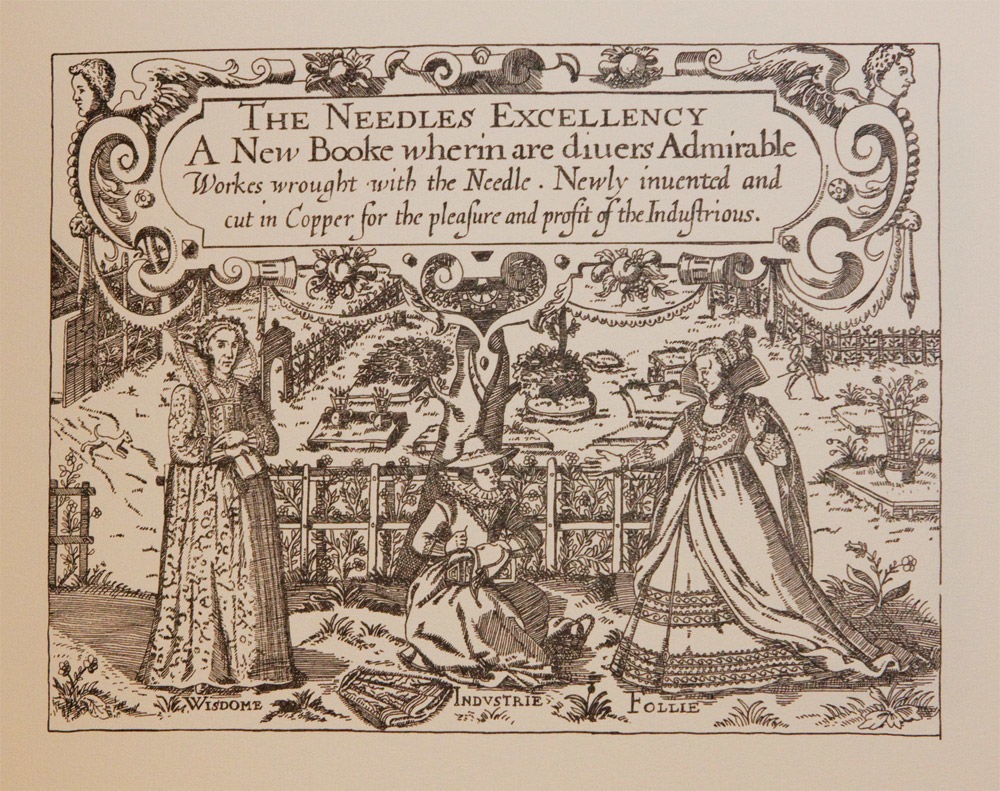
My grandmother had a Magical Bookshelf in my room at her house, by which I mean she borrowed books from her friends for me to read. She did this not only because I was (and am) a Constant Reader, but because my Great Grandfather was Scottish Black Watch and there were things I Needed to Know. This was one of those books.
My Grandma followed in her father’s footsteps, serving as an Air Traffic Controller with the Royal Canadian Air Force during WWII. She was the recipient of her father’s Lore and she passed it down to me. And I made her a promise. That promise is to correct the lies passed around about Black Watch whenever possible. Grandma did not anticipate the internet.
In the early 20th century the racist organization that shall not be named and thus Googleable, appropriated the Scottish Highlanders Call to War–The Burning Cross. This was likely due to illiteracy. An archaic term for African Americans is d*rk**s. Scottish Black Watch was founded by King James I and VI (same guy, ruler of two countries at once) and it chased around practitioners of the Dark Arts. Bad Witches. Think Hansel and Gretel. Yup.
The Lore is rarely written down directly. Rather, it’s embedded in many places in many forms. My grandma taught me to recognize what we call “The Story.” I’ll be breaking down “The Needle’s Excellency”stanza by stanza and even word by word. This is just the tip of the proverbial iceberg.
This particular John Taylor lived in England from 1578-1653 and was known as “The Water Poet.” The Needle’s Excellency is one of the earliest needlework pattern books and remains inexplicably out of print. The patterns contained therein are lovely.
While Middle and Old English are not particularly hard, certain elements can be annoying. Updating the long s’s and the us for vs etc. made this poem much more readable, so I was able to retain the Random Capitalization that makes older writing so much fun. As for thees, doths and other archaic words–well–I happen to think we’ve made a lot of things far too easy and so let’s just call these a barrier to entry.
The results are illuminating. Taylor’s reputation as a rogue and satirist shines through. There is a passage that at first reading looks a little misogynistic, but, hey–we’ve all watched Real Housewives. We all know women tend to be awful in different ways men that men tend to be awful. Here Taylor is specifically talking about Harpies. Lamia. Striga. Allusions to these creatures will show up over and over as I post source material. So here we go.
A New Booke wherein are diverse Admirable Workes wrought with the Needle. Newly invented and cut in Copper for the pleasure and profit of the Industrious.
Printed for James Baler and are to be sold at the Signe of the Marigold in Paule’s Churchyard 1631
The Praise of the Needle--
To all dispersed sorts of ARTS and TRADES
I write the Needle's praise (that never fades)
So long as Garments shall be made, or worne,
So long as Hemp or Flax, or Sheepe shall beare
Their linen-woollen fleeces yeare by yeare;
So long as Silk-worms, with exhausted spoyle
Of their own Entrailes, for mans gain shall toyle:
Yea, till the world be quite dissolved and past;
So long at least, the Needles use shall last,
And though from Earth, his being did begin,
Yet through the fire-he-did his honour win.

And unto those do his service lack,
He's true as steel and mettle to the back,
He has one pierce eye, small single light,
Yet like a Pigmy, Polipheame in fight:
As a stout Captaine, bravely he leads on,
(Not fearing colors) til the worke be done.
Through thicke and thin he is most sharpely set,
With speede through stitch, he will Conquest get.
And as a Soldier (Frenchefyde with heate)
Maim'd, from the warren is forc'd to make retreate:
So when a Needles point is broke, and gone,
No poynt Mounsier, hee's maim'd, his worke is done.
And more the Needles honour to advance,
It is a Taylors Javelin, or his Launce.
And for my Countries quiet, I should like,
That Woman-kinde should use no other Pike.
It will increase their peace, enlarge their store,
To use their tongues lesse and their Needles more.

The Needles sharpenesse, profit yields, and pleasure,
But sharpenesse of the tongue, bites out of measure.
A Needle (though it be small and slender)
Yet it is both a maker and a mender;
A grave Reformer of old Rents decayde,
Stops holes and seams, and desperate cuts displayed.
And thus without the Needle we may see,
We should without our Bibbs and Biggings be;
No shirts or smockes, our nakednesse to hide,
No Garments gay, to make us magnifyde;
No Shadowes, Shapparoons, Caules, Bands, Ruffes, Cuffes,
No Kerchiefs, Quouyfes, Chin-clowtes, or marry-Muffes,
No Crof-cloathes, Aprons, Hand-kerchiefes, or Falls,
No Table-cloathes for Parlours or for Halls.
No Sheets, no Towels, Napkins, Pillow-bears,
Nor any Garment man or woman weares.
Thus is a Needle prov'd and Instrument
Of profit, pleasure, and of ornament:

Which mighty Queenes have graced in hand to take,
And high-borne Ladies such esteem did make,
That as their Daughters Daughters up did grow,
The Needles Art, they to their children show.
And as 'twas then an exercise in praise,
So what deserves more honour in these daies,
Then this? which daily doth it selfe expresse,
A mortall enemy to idlenesse.
The use of Sewing is exceeding old,
As in the sacred Text it is enrold:
Our Parents first in Paradice began,
Which hath descended since from man to man:
The Mothers taught their Daughters, Sires their Sons,
Thus in a line successively it runs
For general profit, and for recreation,
From generation unto generation.
Which workelike Cherubims Embroidered rare,
The Covers of the Tabernacle were.

And by th' Almighties great command, wee see,
That Aarons Garments broydered worke should be;
And further, God did bid his Vestments should
Be made most gay, and glorious to behold.
Thus plainly, and most truely is declar'd
The Needles workes hath still bin in regard,
For it doth ART, so like to NATURE frame,
Flowers, Plants, and Fishes, Beasts, Birds, Flyes, & Bees,
Hils, Dales, Plaines, Pastures, Skies, Seas, Rivers, Trees:
There's nothing neere at hand, or farthest sought,
But with the Needle, may be shap'd and wrought.
In the clothes of Arras I have often seene
Men figurde, counterfeits so like have beene
That if the parties self had bin in place,
Yet ART would vye with NATURE for the grace.
Moreover, Poesies rare, and Annagrams,
Signifique searching sentences from Names,

True Historie, or various pleasant fiction
In sundry colors mixt, with Arts comixion,
All in Dimension: Ovals, Squares, and Rounds,
Arts life included within Natures bounds;
So that Art seemeth meerly naturall,
In forming shapes so Geometricall.
And though our Country every where is fil'd
With Ladies and with Gentlewomen, skil'd
In this rare Art, yet here they may discerne
Some things to teach them, if they list to learne.
And as this Booke, some cunning works doth teach,
 (Too hard for meane capacities to reach)
So for weake learners, other workes here be,
As plaine and easie as are A B C.
Thus skilfull or unskillful, each may take
This Booke, and of it, each good use may make.
All sorts of workes, almost that can be nam'd,
Here are directions how they may be fram'd:

And for this Kingdomes good are hither come,
From the remotest parts of Christendome.
Collected with much pained and industry,
From scorching Spaine, and freezing Muscovy,
From fertile France, and pleasant Italy,
From Poland, Sweaden, Denmarke, Germany,
And some of these rare patterns have been set
Beyond the bounds of faithlesse Mahomet:
From spacious China, and those Kingdomes East,
And from great Mexico, the Indies West.
Thus are these workes, farre fetched and deeply bought,
And consequently, good for Ladies thought.
Nor doe I derogate (in any case)
Or doe esteem of other teachings base,
For Tent-worke, Raisd-worke, Laid-worke, Frost-worke, Net-worke,
Most curious Purles, or rare Italian Cut-worke,
Fine Ferne-stitch, Finny-stitch, New stitch, and Chain-stitch,
Brave Bred-stitch, Fisber-stitch, lrish-stitch, and Queene-stitch,

The Spanish-stitch, Rosemary-stitch, and Mow-stitch,
The smarting Whip-stitch, Back-stitch, and the Cros-stitch:
All these are good and these we must alow,
And these are every where in practice now:
And in this Booke, there are these some store,
With many others, never seene before,
Here Practice and Invention may be free,
And as a Squirrell skips from tree to tree,
So Maides may (from their Mistresse, or their Mother)
Learne to leave one worke, and to learne another.
For here they may make choyce of which is which,
And skip from worke to worke, from stitch to stitch,
Until in time delightful practice shall
(With profit) make them perfect in them all.
Thus hoping that these workes may have this guide,
To serve for ornament, and not for pride:
To cherish vertue, banish idleness,
For these ends, may this book have good success.
Here follow certaine Sonnets in the Honourable memory of Queenes and great Ladies, who have bin famous for their rare Inventions, and practice with the Needle.
King David by an apt similitude
Doth shew with Majesty the Church her worth
And to a Kings faire Daughter, doth alude,
Where to her Spouse, he bravely brings her forth,
In Garments wrought of Needle-worke and Gold,
Resplendent and most glorious to the eye:
Whose out-side much more glory did infold,
The preference of th'ternall Majesty.
Thus may you see Records of holy Writ
Set downe (what Death or Time can nere deface.)
By these comparisons, comparing fit,
The noble worth of Needle-workes high grace,
Then learne faire Damsels, learne your times to spend
In this, which such high-praisings doth commend.
Katharine, first married to Arthur Prince of Wales, and afterward to Henry the 8. King of England.
I Read that in the seaventh King Henries Raigne,
Faire Katherine, Daughter to the Castile King,
Came into England with a pompous traine
Of Spanish Ladies, which she thence did bring.
She to the eight King Henry married was,
And afterwards divorc'd where vertuously
(Although a Queene) yet shee her dayes did pas
In working with the Needle curiously,
As in the Tower, and places more beside,
Her excellent memorials may be seene:
Whereby the Needle's praise is dignifide
By her faire Ladyes, and her selfe a Queene.
Thus for her paynes, here her reward is just,
Her workes proclaime her praise, though she be dust.
Mary, Queene of England, and wife to Philip King of Spain.
Her Daughter Mary here the Scepter swayed,
And though she were a Queene of mighty power:
Her memorie will never be decaide,
Which by her workes are likewise in the Tower.
In Windsor Castle, and in Hampton Court,
In that most pompous room cal'd Paradice:
Who-ever pleaseth thither to retort,
May see some workers of hers wondrous price.
Her Greatnesse held it no dis-reputation,
To take the Needle in her Royall hand:
Which was a good example to our Nation,
To banish idleness from out her Land:
And thus this Queene, in wisdome thought it fit,
The Needles worke pleas'd her, and she grac'd it.
Elizabeth Queene of England, and Daughter to King Henry the eight.
When this great Queene, whose memory shall not
By any tearm of time be overcast:
For when the world, and all therein shall rot,
Yet shall her glorious fame for ever last.
When she a Maide, had many troubles past,
From Jayle to Jayle, by Maries angry spleen:
And Wood-stocke, and the Tower in prison past,
And after all was Englands Peerlesse Queene.
Yet howsoever sorrow came or went,
She made the Needle her companion still:
And in that exercise her time she spent,
As many living yet, doth know her skill.
Thus was she still a Captive, or else Crown'd,
A Needle-woman Royall, and renown'd.
The Right Honorable, Vertuous, and learned Lady, Mary, late Countess of Pembrooke.
A Patterne and Patronesse she was
Of vertuous industry, and studious learning:
And she her earthly Pilgrimage did passe,
In Acts, which were high honour, most concerning.
Brave Wilton-house in Wiltshire well can show,
Her admirable workes in Arras Fram'd:
Where men, and beasts, seeme like, trees seeme to grow,
And Art (surpass'd by Nature) seems ashamed.
Thus this renowned Honourable Dame,
Her happy time most happily did spend:
Whose worth recorded in the mouth of fame,
(Until the world shall end) shall never end.
She wrought so well in Needle-worke, that she,
Nor yet her workes, shall ere forgotten be.
The Right Honorable and religious Lady, Elizabeth Dormer, Wife to the late Right Honourable, the Lord Robert Dormer deceased.
This Noble Lady imitates time past,
Directs time present, teacheth time to come:
And longer then her life, her laud shall last,
Worked shews her worth, though all the world were dumbe.
And though her Reverend self, with many dayes
Of honourable age is loaden deep,
Yet with her Needle (to her worth praise)
Shee's working often, ere she Sunne doth peepe.
And many times, when Phoebus in the West
Declined is, and Luna shewes her head:
This antient honor'd Lady rests from Rest,
And works when idle sloath goes soone to bed.
Thus she the Needle makes her recreation,
Whose well-spent paines are others imitation.
To all degrees of both sexes, that love or live by the laudable imployment of the Needle.
If any aske to whom these lines are writ,
I answere, unto them that doe inquire:
For since the worlds creation none was yet,
Whose wants did not the Needles help desire.
And therefore, not to him, or her, or thee,
Or them, or they, I doe not write at all:
Nor to particulars of hee or shee,
But generally, to all in generall.
Then let not Pride looke scuruily a-scewe,
Without the Needle, Pride would naked goe:
Nor yet let Scorne cry pish and tush, and mew,
Scorne is forgetfull much in doing so.
Nor yet let any one presume to prate,
And call these lines poore trifles, by me pend:
Let not opinion be prejudicate,
But mend it, ere they dare to discommend.
So fare-thou well, my wel-deserving Booke,
(I meane, the workes deserts, and not my lines)
I much presume that all on it looke,
Will like and laude the workingman good designs.
Fooles play the fooles, but 'tis through want of wit,
Whilst I to wisdom's  censure doe submit.
 Good Little Mouse